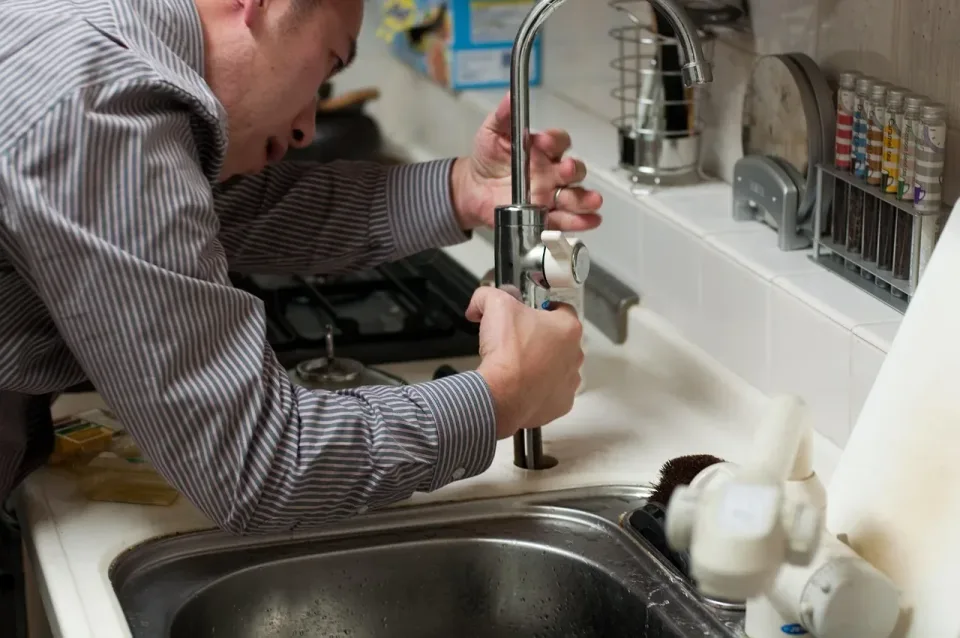
Low Water Pressure Repair · Philadelphia, PA
Low Water Pressure Repair Across Pennsylvania: Clogged Lines, Well Pump and Tank Repair
A shower that weakens upstairs can point to a pressure problem, not just a worn showerhead. Static pressure describes the reading when no water is flowing, while a pressure switch controls when a well pump starts and stops.
- Serving since 2014
- Plumbing contractor licensing as required by the local Pennsylvania jurisdiction
- Insured plumbing contractor
- OSHA 10-Hour Construction Safety training
We use leak isolation to narrow down hidden water loss, and Pennsylvania Plumbing Pros helps homeowners get practical low-pressure repairs across Pennsylvania.
Common problems we solve
Low pressure at multiple faucets
Pressure drops when appliances run
Sudden pressure loss throughout the house
Well pump cycling every few minutes
Water pressure surges between fixtures
12+
Years serving Philadelphia, PA
19
Areas served
Low Water Pressure Repair Services Across Pennsylvania
Weak flow can come from one fixture, a restricted supply line, or equipment that no longer maintains household pressure. Our crew handles diagnosis and targeted repairs for Pennsylvania homes, including older properties with galvanized steel pipe, which can narrow internally as corrosion builds. No guesswork.
We begin with Water Pressure Diagnosis, comparing readings at rest and while water runs because static and flowing readings show different parts of the problem. If a well pump cycles often, we inspect the pressure controls and offer Well Pump Pressure Repair; common well switches are set at 30/50 psi or 40/60 psi, and the correct setting depends on the system.
A clogged or damaged supply may call for Clogged Water Line Repair or leak detection and pipe repair, rather than replacing fixtures. For a home that needs added supply pressure, we assess whether a booster pump fits the piping and electrical setup.
Pennsylvania’s spring rain can saturate yards and basements, so we check accessible areas for signs of water entry. We serve properties near Lancaster Central Market and Presque Isle State Park.
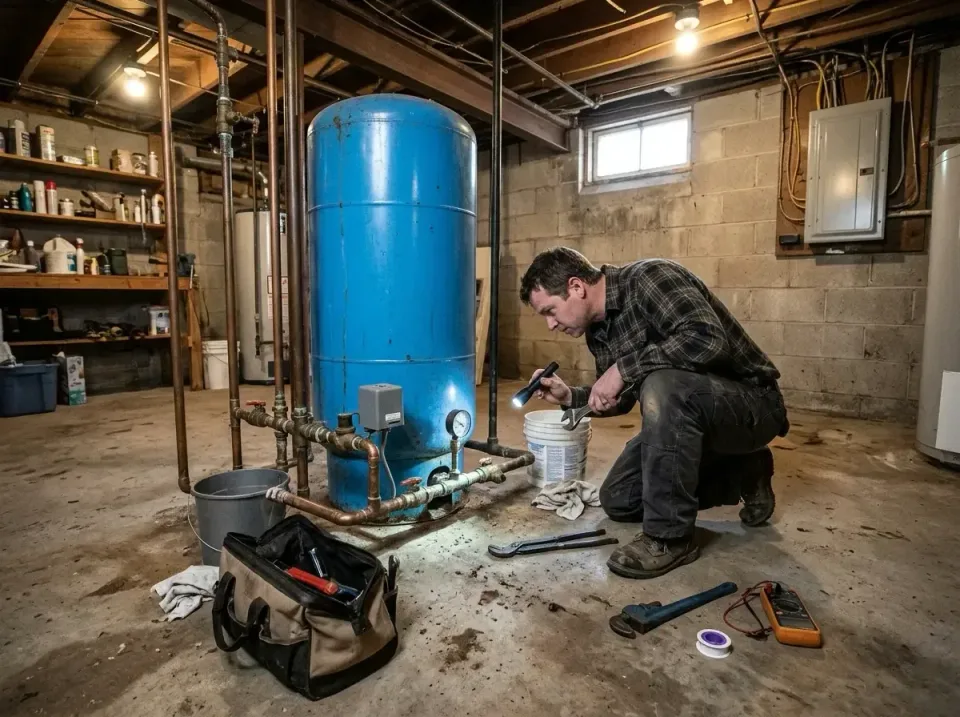
What Does Low Water Pressure Repair Cost in Pennsylvania?
If pressure has fallen across the house, the price depends first on whether testing points to a valve, pump, tank, or buried line. We provide clear, itemized quotes before work starts.
A pressure diagnosis is typically $75–$250, with testing and access affecting the charge; PRV replacement is $250–$700, depending on valve size and piping. Booster pump installation commonly runs $800–$2,500, with pump capacity and electrical work shaping the scope.
Main shutoff valve repair is $200–$600, based on valve type and access. A water-line leak repair can be $300–$1,500, depending on leak location and excavation.
Those are planning ranges, not a substitute for inspection. Pennsylvania has four distinct seasons, and winter storms can delay access to outdoor equipment or excavation areas.
Around Hersheypark, as elsewhere in the state, site access and the exact repair location matter more than a broad estimate. Estimates vary by scope, equipment, access, and site conditions; contact Pennsylvania Plumbing Pros at (877) 773-0781 for a final quote.
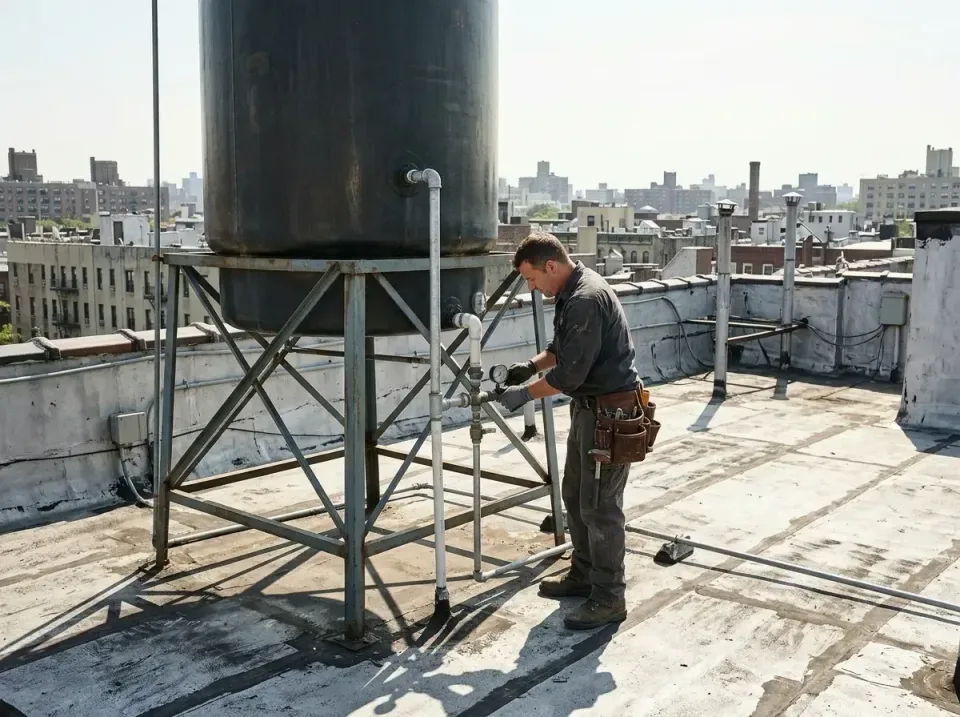
How to Check Pennsylvania Plumbing Rules Before Repairs
A pressure repair that changes piping or reaches an underground service line may involve code and permit questions. Pennsylvania’s Uniform Construction Code, in 34 Pa.
Code Chapters 401–405, sets a statewide construction framework; local requirements and the work being done determine what applies. We review the job scope before work begins and account for the local plumber licensing requirements, which vary by municipality.
Philadelphia plumbing permits are handled through the Department of Licenses and Inspections, so city projects may need a separate permit review. If covered excavation is part of a water-line repair, Pennsylvania One Call must be contacted before digging to identify underground utilities.
That step helps protect utility lines and the crew. Pennsylvania winters can bring freezing rain, so outdoor work may also depend on safe site access.
We explain the compliance steps relevant to the agreed repair and coordinate them with the customer. For homes near Philadelphia’s Liberty Bell Center or Pittsburgh’s Carnegie Museums, jurisdiction still depends on the property address, not the landmark.
Why us
Why Pennsylvania Plumbing Pros
Get a practical pressure diagnosis from a team that knows Pennsylvania homes.
Find The Cause
The crew checks relevant fixtures, valves, lines, pumps, or pressure tanks before recommending work. That practical approach grew from diagnosing supply lines and pressure-reducing valves in Philadelphia rowhouses.
Agree On Scope
A technician explains the findings and proposed work before repairs begin. You can understand what the diagnosis points to and what the repair covers before agreeing to the work.
Coordinate Clearly
The team coordinates arrival windows and job details before dispatch across Pennsylvania. Technicians protect finished surfaces when accessing valves or pipes and record gauge readings and installed component settings.
Warning signs
Visible Clues To Check
Sputtering Faucets
Sputtering at a faucet can signal air or an issue in the supply path. Notice whether it happens at one fixture or more than one, and share that detail when arranging an assessment.
Corrosion On Exposed Pipes
Corrosion on an exposed supply pipe is a visible reason to have that area checked. Note where it appears and whether nearby surfaces show moisture; avoid disturbing the pipe while monitoring it.
Through the year
Pressure Repairs Throughout Pennsylvania's Seasons
Spring
Spring rain can saturate basements and yards, and heavy rainfall may expose water-line leaks. Consider a pressure check if you notice a change after wet weather; a technician can assess the relevant plumbing.
Summer
Hot spells can raise household water demand, while humidity and localized storm flooding bring other plumbing concerns. A pressure check can help identify whether fixtures, lines, or related equipment need attention.
Fall
Seasonal temperature swings affect pipe materials, making fall a useful time to address pressure concerns before colder weather. A technician can inspect accessible plumbing and explain any repair needs.
Winter
Cold can freeze outdoor pipes, and freeze-thaw cycles stress exposed plumbing. Snow and freezing rain can also affect access in parts of Pennsylvania, so discuss arrival timing and access when arranging service.
Ready to get started?
Call to talk through your job in Philadelphia, PA.
Featured Work & Projects
Browse our recent jobs and quality workmanship for customers across Philadelphia, PA.
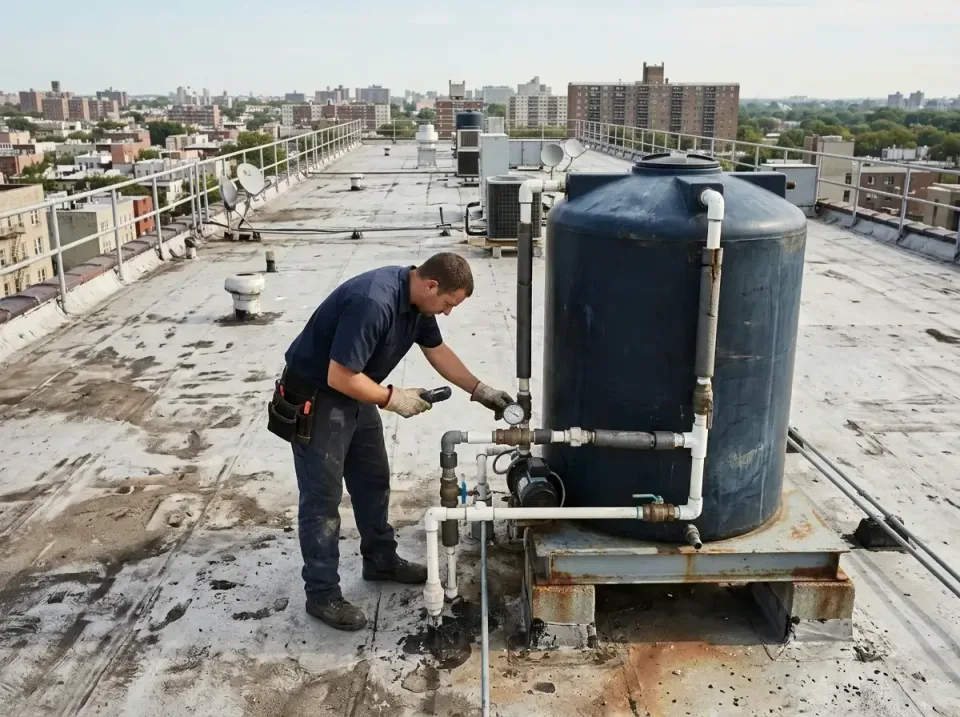
Plumber — Commercial Plumbing
Philadelphia, PA
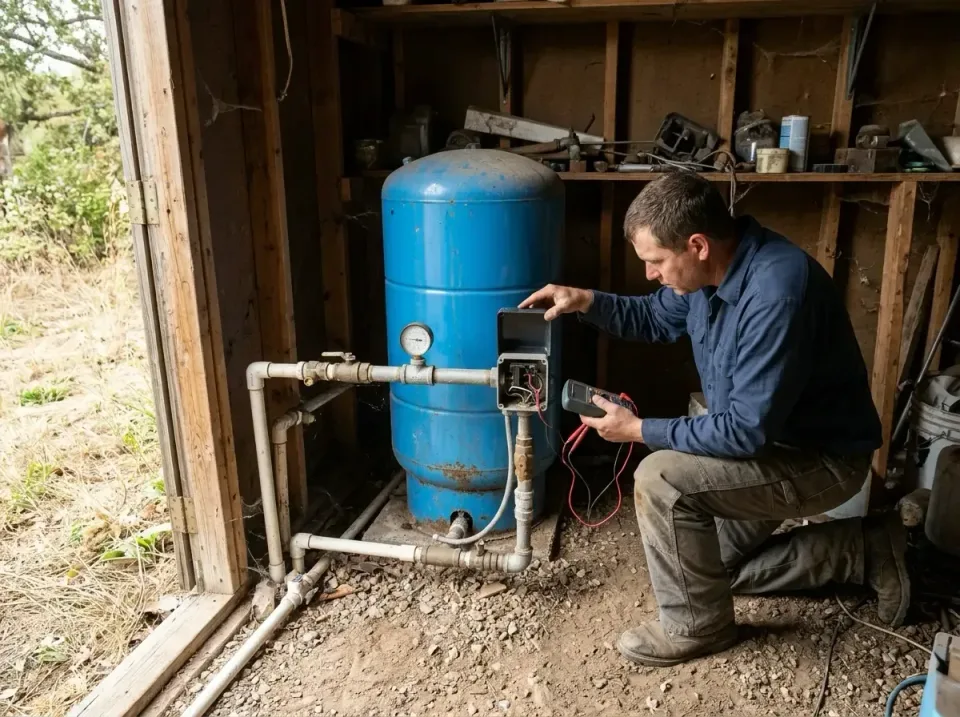
Plumber — Utility Shed
Philadelphia, PA
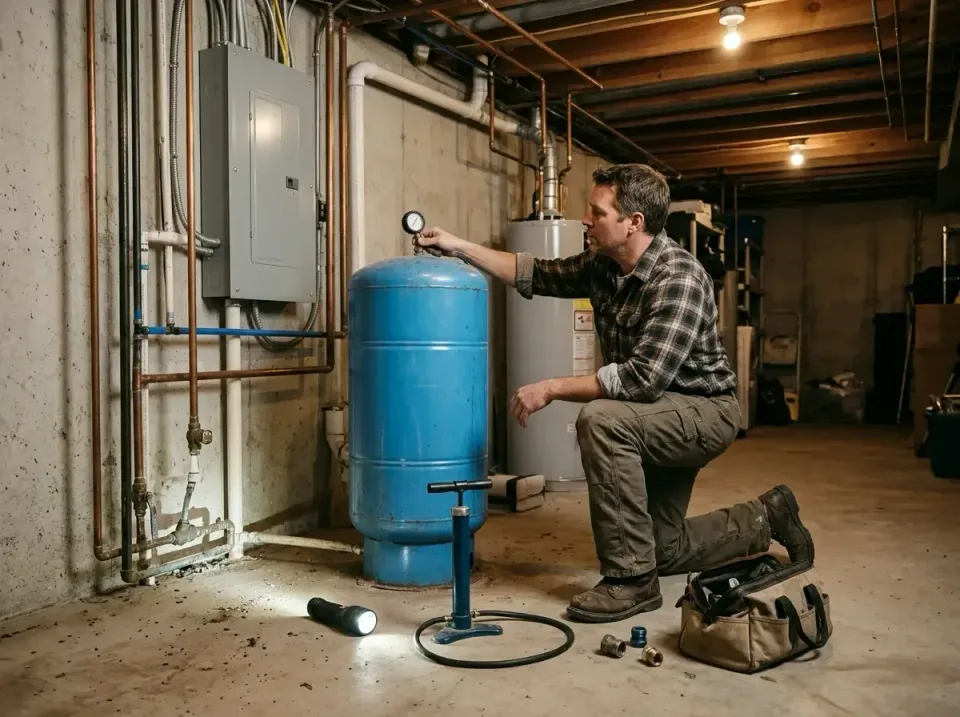
Plumber — Basement
Philadelphia, PA
FAQ
Low Water Pressure Repair FAQs in Philadelphia, PA
Straight answers for customers in Philadelphia, PA on pricing, delivery, and scheduling.
Does a booster pump fix a pressure drop when appliances run?
A booster pump can help when testing confirms that incoming supply pressure cannot keep up with household demand, but it will not clear a pipe restriction. We check residual pressure while water is flowing and consider Philadelphia Plumbing Code and local amendments when the installation scope requires code review.
Why does my well lose pressure even though the pump runs?
A well can lose useful pressure if the pressure tank drawdown is reduced, even when the pump starts and runs. Have the system checked before changing settings; tank condition, pump operation, and control readings help identify the cause.
Can a pressure gauge tell whether low water pressure is inside my house?
Yes, a pressure gauge can help compare supply pressure with readings elsewhere in the plumbing, but one reading alone does not locate every fault. We use the result alongside flow behavior and pipe inspection to distinguish a supply-side issue from an interior restriction.
Can a pipe restriction cause low pressure at several faucets?
Yes, a pipe restriction can reduce flow to multiple fixtures, especially when the affected pipe serves more than one branch. The right repair depends on the pipe material, access, and where the restriction sits; Pennsylvania’s spring rain can also complicate access to buried lines.
Does Philadelphia require a permit for water pressure repairs?
Some work may require a permit, depending on the repair and property; Philadelphia plumbing permits are handled through the Department of Licenses and Inspections. Pennsylvania Plumbing Pros reviews the scope and applicable local requirements with the customer before work begins.
Local Leadership
Meet Your Local Experts
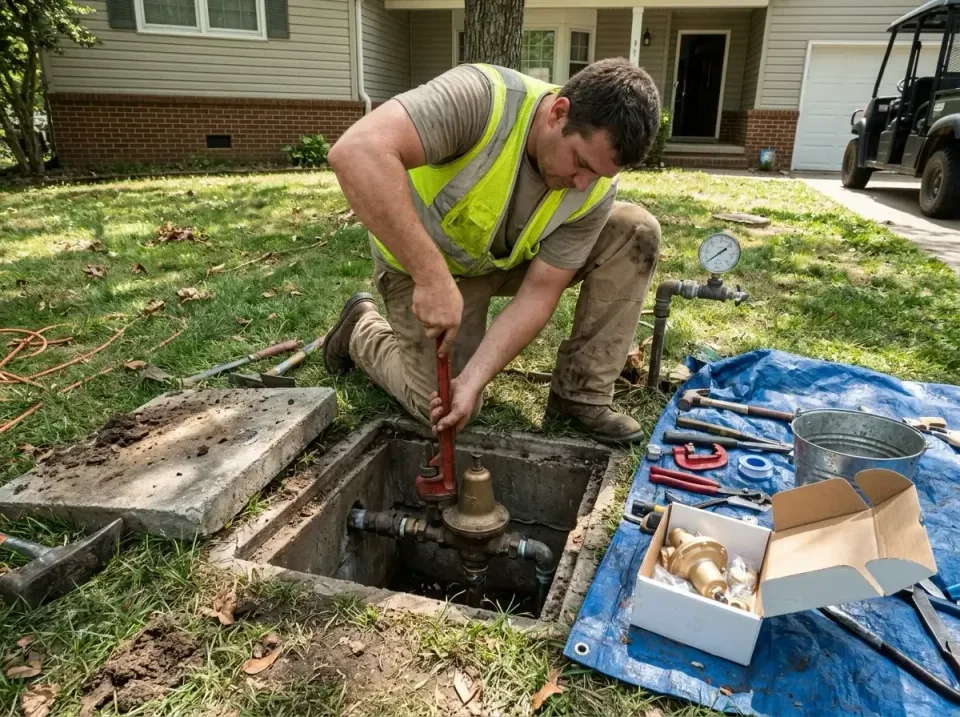
Michael Donnelly Lead Expert
Pennsylvania Plumbing Pros
"Find the Cause. Restore Steady Pressure."
I started out working on plumbing in Philadelphia rowhouses, where old supply lines, shutoff valves, and pressure-reducing valves can all affect a shower or faucet. I built this business to diagnose the cause before recommending a repair, and to bring that practical approach to homes across Pennsylvania.
12+ years experience Plumbing contractor licensing as required by the local Pennsylvania jurisdiction Insured plumbing contractor OSHA 10-Hour Construction Safety training
Get a Quote
Get a Low Water Pressure Repair Quote in Philadelphia, PA
Share job details below or call our team directly. Phone: (877) 773-0781
Cities & Towns
Service Areas in Philadelphia
Select a city to find local low water pressure repair providers we cover in Philadelphia.
Philadelphia, PA19140Chester, PA19013Elizabethtown, PA17022Latrobe, PA15650Ellwood City, PA16117Blue Bell, PA19422Oxford, PA19363Stroudsburg, PA18360Shippensburg, PA17257Hummelstown, PA17036Malvern, PA19355North Wales, PA19454Mount Pocono, PA18344Pitcairn, PA15140Marietta, PA17547Bath, PA18014St. Clair, PA17970Imperial, PA15126Curwensville, PA16833